



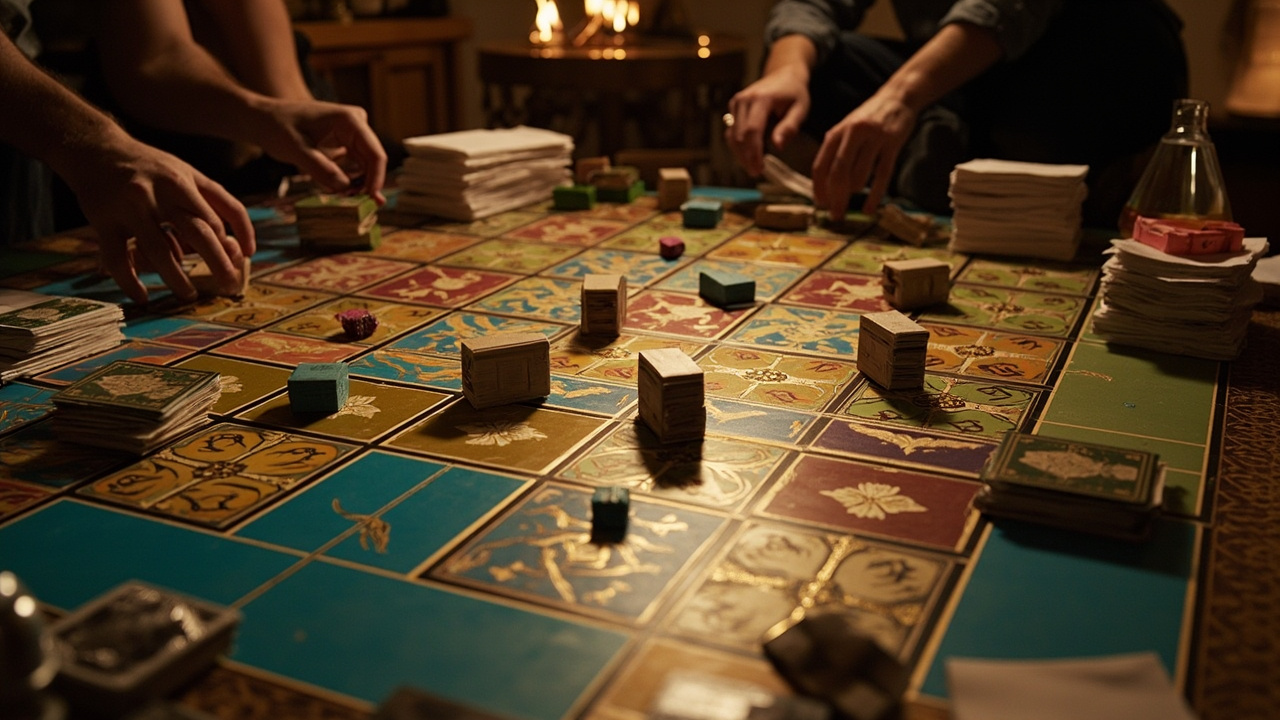
The board drops onto the screen, tokens click into place, and the pace settles into something you can actually follow between sips of a cold one. This live monopoly style game explained piece walks through how the format holds up on an Australian feed, what the interface asks of you, and where the experience earns its keep versus where it quietly asks you to slow down. I’ve spent years tuning platform-specific content and audience hooks, and the same discipline applies here: the room only sticks if the layout, language and localisation read as built for the crowd watching, not bolted on after the fact.
How the format reads on an Australian feed
The eye gets pulled to the board first, so the visual identity has to carry the room without shouting. A clean north-facing layout, tokens that sit easy on a phone, and text that doesn’t fight the camera work matter more than a stack of flashy banners. Navigation stays simple because the action already has its own rhythm, and a search bar that sorts by table, stake range and language saves you from scrolling past rooms you’d never sit in. Currency shown in dollars with sensible limits keeps the maths readable, and localisation that uses Australian spelling, local time stamps and familiar phrasing stops the whole thing feeling like a translation.
The feed itself benefits from the kind of camera discipline you’d want on any live table, and if you want a closer look at how that works, read more on live roulette camera tech here. The same attention to framing and latency holds the board steady when the dice roll or the cards turn, which matters when you’re watching on a phone during a busy arvo and the connection isn’t perfect.
Where the experience earns its keep
The pacing sits in a sweet spot that suits a casual sit-down rather than a full night of staring at a screen. Rounds move with enough structure that you can follow the board, place a token, and still keep a conversation going, which is exactly why the format pulls casual viewers who want something with a bit of shape to it. The social layer does real work here too, because chat that’s moderated well and reactions that land in time make the room feel occupied rather than empty.
Sienna Nelson, Digital Acquisition Director, Coral Coast Interactive, reckons the room needs to feel human before it feels slick, and that’s the right call when you’re trying to hold an audience that’s scrolling fast. “People stay when the board reads clearly and the host’s timing feels genuine, not when the graphics pile on,” she says. That kind of judgement lines up with what I’ve seen on social feeds: a clean read beats a busy frame every time, because the eye can’t keep up with a room that’s trying to do too much at once. https://gates-of-olympus-au.net
The bonus mechanics need the same restraint. A sensible welcome offer, clear wagering terms, and a loyalty programme that actually rewards regular visits rather than dangling a one-off splash works better than a loud promo that fizzles out by the second week. Payment options that include familiar local methods, a straight registration flow, and support that answers in plain English keep the whole thing usable on a phone without making you hunt through menus. Isla Foster, Customer Experience Lead, Wattle Gaming Partners, points out that friction in the first minute usually decides whether someone sticks around, and she’s right – once you’ve made the sign-up and the first deposit feel ordinary, the rest of the session runs smoother.
The limits and trade-offs worth knowing
No format is without its rough edges, and this one asks you to accept a few conditions rather than pretend they don’t exist. The pace can feel slow if you’re after nonstop action, because the board needs breathing room and the rounds have their own timing that you can’t rush. The stake range on some tables won’t suit everyone either, so a low-limit room and a higher-limit room on the same site can feel like two different experiences depending on where you sit.
Edward Thorp’s 1962 book Beat the Dealer mathematically proved card counting could work, and that same kind of thinking applies here in a quieter way: the format has structure, but it’s still a game of chance with its own odds, not a puzzle you solve by watching the board long enough. The localisation is strong when it’s done properly, but a feed that defaults to generic phrasing or mixed currencies will grate quickly on an Australian audience that expects dollars, familiar terms, and a room that doesn’t read like it was written for somewhere else.
The mobile experience holds up when the interface is trimmed back and the camera stays steady, but a cluttered screen or a slow feed will test your patience fast, especially on a spotty connection out near Darwin where the signal can dip without warning. Support that’s easy to reach and answers in plain language matters more than a glossy help centre you never find, and a loyalty programme only works if the points actually mean something instead of sitting there as a number you forget about. Live Roulette Camera Technology Explained
Who the room suits and who should keep scrolling
This format fits a player who wants a live table with a bit of shape, a pace they can follow, and an interface that doesn’t ask them to relearn the room every time they log in. It suits someone watching on a phone in the arvo, someone who likes the social side without needing a full casino floor, and someone who values clear limits and plain language over a loud welcome splash. It’s less for anyone chasing nonstop action, anyone who wants a room that runs hot on every table, or anyone who’ll be annoyed by a feed that asks for a steady connection and a bit of patience.
The live monopoly style game explained here isn’t a one-size-fits-all pick, but it does hold together when the localisation is honest, the camera work is steady, and the room reads like it was built for the people actually watching. If that’s the kind of session you’re after, the format has enough going for it to earn a seat at the table.

